Table of Contents
- South Dakota Home Selling
- Which Areas in South Dakota Offer the Best Return on Investment and Are Easiest for Residential Property Development?
- What Home Styles, Sizes, and Features Tend to Sell Fastest in the South Dakota Market?
- What Should Home Sellers Know About Zoning Laws, Permits, and Regulatory Requirements in South Dakota?
- Which Towns or Cities in South Dakota Are Easiest, and Hardest, When It Comes to Navigating Real Estate Regulations?
- What Are the Most Effective Flipping and Resale Strategies for Maximizing Profit in South Dakota's Housing Market?
- How Should Sellers Price Their Homes to Attract Buyers While Maximizing Value in South Dakota?
- Which Key Economic, Social, and Regulatory Factors Are Driving Current Trends in South Dakota's Local Property Markets?
South Dakota Home Selling
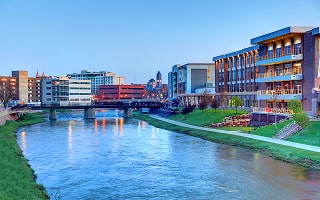
The South Dakota housing market is steady, with median home prices sitting well below national levels, and roughly in the middle relative to its border states. As of October 2025, the median sale price in the Mount Rushmore State was $321,500.
With a 3-month supply of homes, South Dakota remains a seller's market. Inventory fell 3% year over year in October 2025, with just over 4,000 listings. Though this figure represents a sizable increase from pandemic and post-pandemic lows, strong demand continues to keep the housing market humming along.
The pace of home sales in South Dakota matched the national median, with the typical home selling in 63 days. While other Midwest markets like Nebraska and Minnesota saw quicker sales, homes in South Dakota moved faster than in more rural states like Wyoming and Montana.
In terms of new construction, South Dakota issued more new housing permits per resident than all its neighbors, helping ease the gap between supply and demand. The state issued 6.41 new housing permits per 1,000 residents, significantly higher than North Dakota (3.82 per 1,000) and the national rate of around 4.37 per 1,000.
The average property tax rate in the state is 1.09%, which is lower than Nebraska's 1.50% but slightly higher than North Dakota's 0.99%. This places South Dakota near the middle of all states, offering a relatively moderate tax burden.
South Dakota saw the lowest foreclosure rate of all states in October 2025, highlighting strong stability in its property market. With just one foreclosure for every 26,594 housing units, the Mount Rushmore State's stability makes it attractive to both buyers and investors, reflecting a strong economy and a secure real estate market.
Overall, the South Dakota housing market is balanced, with moderate prices, average selling times, and enough new construction to keep supply constraints under control.
Which Areas in South Dakota Offer the Best Return on Investment and Are Easiest for Residential Property Development?

In South Dakota, different cities, towns, metro areas, and even specific streets provide unique real estate opportunities. Some offer the perks of strategic proximity, while others are eligible for financial incentives or have favorable zoning laws. These varied benefits create potential for higher returns on investment (ROI) for buyers, sellers, developers, and investors across the state's housing market. In South Dakota, the following ten areas may offer strong appreciation prospects on property investments:
-
Sioux Falls: Sioux Falls is South Dakota's biggest and fastest-growing market, with strong job growth in healthcare, finance, and logistics. With one of the lowest unemployment rates in the nation (2.2% in August 2025) and a median home price of $330,000, Sioux Falls continues to attract new residents seeking economic opportunities. The city's population and job market continue to grow, helping homes sell considerably faster than in many other parts of the state.
-
Pierre: Pierre, South Dakota's state capital, is regularly ranked one of the top places to buy a home. With the typical home valued at around $292,000 and its proximity to government offices, buyer and rental demand for homes in Pierre remains strong.
-
Rapid City: Rapid City, South Dakota's second-largest city, is a hub for commerce, culture, tourism, and agriculture. Median sales prices in the city stood at $334,000 in October 2025, with strong year-round demand for both residential sales and rentals.
-
Madison: Madison offers affordable entry prices, strong household incomes, and clear permit exemptions, making it a top spot for fast equity growth potential and investor appeal. With average home values of around $256,000 and five-year appreciation of 62%, Madison stands out for its unique ROI potential.
-
Watertown: Watertown's housing market continues to show steady growth and limited inventory, making it appealing for buy-and-hold investors and flips with modest margins. Homes averaged about 60 days on the market, with steady price growth and projections to reach $330,000 by 2029.
-
Brookings: Home to South Dakota State University, Brookings offers a lively community and strong rental demand from students and faculty. The South Campus area has an attractive mix of single-family homes and small apartments. The city is one of the most competitive markets in the state, with median sales prices of $315,000 (up 10.5% year over year) and homes selling in just 23 days.
-
Aberdeen: Located near Northern State University, Aberdeen is a promising area for real estate investment. With a median home price of $215,000, it's more affordable than many other neighborhoods in the state, attracting newer investors. Steady rental demand from students, staff, and visiting faculty supports an average rent of $1,100, offering reliable returns and a consistent tenant pool. Another key benefit for developers includes flexible zoning laws that allow small multifamily housing (like duplexes, triplexes, or fourplexes) without a special approval, variance, or rezoning.
-
Harrisburg: Harrisburg is one of South Dakota's fastest-growing suburbs, known for its top-rated schools, safe neighborhoods, and family-friendly atmosphere. With permissive zoning that supports accessory units and strong demand for new subdivisions, homes sell quickly. The typical property value in Harrisburg is $344,513, reflecting solid five-year appreciation of 45.5%.
-
Spearfish: Located near the scenic Black Hills, Spearfish attracts tourists and remote workers, making it ideal for vacation-rental flips and year-round rentals. Build-ready lots with utilities and flexible rural zoning add appeal. However, flooding and wildfires can cause insurability issues and higher premiums, potentially complicating development and investment here. Note that the city has not yet adopted short-term rental regulations, but recently formed a task force to address the issue.
-
Vermillion: Vermillion, home to the University of South Dakota, offers steady rental demand from its more than 10,000 students, making the university area a strong spot for investment. Real estate here has appreciated at an average of 2.78% per year since 2000, with overall price appreciation of roughly 78%. In the past year alone, prices rose 5%, with average home values of around $266,000.
What Home Styles, Sizes, and Features Tend to Sell Fastest in the South Dakota Market?
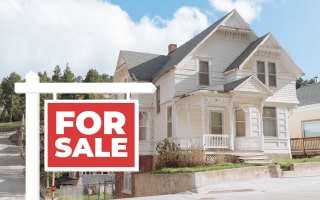
Homes in South Dakota sold at the same pace as the national median in October 2025, spending about 63 days on the market. While factors like the type of home, time of year, specific location, and price affect selling speed, certain home characteristics are common among the fastest-selling homes in the state. These include:
-
![]()
Bedrooms: 3- to 4-bedroom, 2-bathroom single-family homes are popular and appealing to families, first-time buyers, and buy-and-hold investors, usually selling quickly. In college towns like Brookings and Vermillion, smaller 2- and 3-bedroom rentals near campus are also in high demand, attracting student renters. Similarly, in Sioux Falls, Rapid City, and Spearfish, mid-sized family homes remain the most sought-after properties, offering affordability and space, and often selling within weeks.
-
![]()
Size and Lot: In South Dakota, homes between 1,500-2,500 square feet sell fastest, offering enough space for families while remaining manageable to maintain. Suburban lots of 0.25-0.50 acres, common in Sioux Falls, Harrisburg, Brandon, and Rapid City, provide useful outdoor spaces without excess maintenance requirements, and often sell quickly. In rural or resort areas, such as Spearfish and the Black Hills, larger lots are preferred for privacy and recreational opportunities, typically going off the market quickly.
-
![]()
Style: Certain home styles consistently sell faster due to buyer preferences and local lifestyle trends. Ranch-style homes and Craftsman designs are popular for single-story and open layouts, especially in suburbs and smaller towns such as Harrisburg and Brandon. Modern farmhouse and contemporary designs appeal to suburban buyers, while traditional two-story Colonials and Cape Cods sell quickly in established Sioux Falls and Rapid City neighborhoods. Updated Victorian cottages and rustic cabins in Spearfish, Sturgis, and the Black Hills areas appeal to vacation buyers. Condos and townhouses near Brookings, Vermillion, and downtown Sioux Falls move quickly due to their walkability and the convenience of lower maintenance.
-
![]()
Modern Upgrades: In South Dakota, homes with modern upgrades sell faster and often above list prices. Open-concept kitchens with durable countertops and energy-efficient stainless-steel appliances attract buyers in Sioux Falls, Rapid City, and Brookings, while updated bathrooms with modern vanities and tiled showers are also in high demand. Neutral paint and professional landscaping boost curb appeal statewide, which can help create a positive first impression on buyers. Practical features like attached garages, finished basements, and energy-efficient HVAC systems are especially valued in denser regions like Minnehaha, Pennington, and Lincoln Counties. Energy-code compliance, newer furnaces, heat pumps, triple-pane/low-E windows, and radon mitigation systems also tend to shorten days on market statewide.


What Should Home Sellers Know About Zoning Laws, Permits, and Regulatory Requirements in South Dakota?

To maximize ROI in South Dakota, sellers and developers must understand and verify local zoning laws and permitting requirements, since these directly affect property value and future use. Buyers often request a zoning compliance letter (sometimes known as a zoning verification letter) from the city or county to confirm the property has no open violations or zoning issues. Ensuring compliance helps avoid delays, boost buyer confidence, and support maximum ROI. Below is a breakdown of regulatory requirements home sellers should know before developing, listing, or renovating a property in South Dakota:
Strict Zoning Laws
Cities and counties with strict zoning laws control how land may be used, including residential, commercial, or mixed use. These rules protect community character but usually slow down projects with added permits and reviews. Developers must plan carefully to meet local regulatory requirements and avoid costly delays. The following jurisdictions in South Dakota have strict zoning laws:
- City of Sioux Falls: Sioux Falls has a detailed zoning code that divides land into residential, mixed-use, and special overlay districts. Rules cover the proximity of buildings to property lines, how much of a lot may be built on, and building height limits, making development closely regulated.
- City of Rapid City: The city uses a comprehensive zoning ordinance with strict rules on land use. Development goes through the Planning Commission and Zoning Board of Adjustment, requiring formal permits and reviews.
- City of Aberdeen: Aberdeen has full zoning districts and an active building inspection department. All projects require proper permits and inspections to ensure compliance with building and safety standards.
Less Bureaucratic Zoning Laws
Some South Dakota jurisdictions have less bureaucratic zoning laws, requiring fewer layers of permits and reviews. They typically offer simpler building permit application processes, making it easier and faster for homeowners or developers to build or renovate. Some of these jurisdictions in South Dakota include:
- City of Plankinton: Plankinton follows state-adopted building codes and offers a basic building permitting application system. Rules guide land use and construction while keeping the process relatively straightforward. Fewer layers of review make it easier for residents and developers to complete projects.
- Unincorporated Hand County: Zoning is managed by the County Assessor's Office. Permits, enforcement, and conditional-use hearings are handled by a single county board, reducing bureaucracy and project timelines.
- City of Hot Springs: Hot Springs adopted the International Building Code, with simple, locally managed building permitting processes. The straightforward system makes it easier for homeowners and developers to complete projects quickly.
Areas that Require a Special Permit Via a Public Hearing
In some areas of the state, certain projects may need a special permit, which can include a public hearing and approval from the local zoning board. This process allows community input and ensures the proposed use fits the neighborhood's character and residents' interests. Although it adds time to development timelines, it can help prevent conflicts, ensure compliance with local rules, and protect property values. In South Dakota, these municipalities include:
- City of Brookings: In Brookings, the Planning Commission and Board of Adjustment reviews requests for conditional uses and variances. Public notices are posted so the community can provide input.
- City of Rapid City: In Rapid City, applications for conditional uses or variances go through public hearings before the Zoning Board or Planning Commission. This process allows community feedback and ensures projects meet local requirements.
- City of Aberdeen: In Aberdeen, the Board of Zoning Adjustment meets monthly to hear requests for variances, special exceptions, and appeals. These public meetings require in-person representation, ensuring transparency, community input, and adherence to local zoning rules.
Areas that Require a Certificate of Occupancy
A Certificate of Occupancy (CO) is required in South Dakota when a property is newly built, undergoes major renovations, or sees a change in its use, for example, converting a residential home into a commercial space. Cities such as Hot Springs, Sioux Falls, Rapid City, and Huron require a CO before new construction can be legally occupied. The certificate confirms that the structure complies with all relevant building codes, safety standards, and zoning regulations, which are verified through inspections of electrical, plumbing, fire safety, and structural systems.
It's important to note that a CO is generally not required for routine sales of existing homes or more common renovations. Rather, its purpose is to ensure that new or significantly altered properties meet modern standards before being occupied or leased.
Areas that Require Historic Commission Approval for Certain Renovations
In South Dakota, some towns have historic commissions that review and approve certain renovations, materials, or changes to a building's appearance. These rules help preserve the historic character and heritage of neighborhoods. In designated areas, property owners must obtain approval before making certain changes, ensuring updates preserve a property's historic look and feel. Some of these jurisdictions in South Dakota include:
- City of Deadwood: The city has a Historic Preservation Commission that reviews any exterior changes to buildings, ensuring renovations preserve the town's historic character.
- City of Lead: Lead's Historic Preservation Commission reviews building designs and renovations to help safeguard the area's historic and cultural heritage.
- City of Hot Springs: The Historic Preservation Commission in Hot Springs tightly regulates development through its Historic Preservation Ordinance, which often focuses on preserving its distinctive sandstone buildings.
Which Towns or Cities in South Dakota Are Easiest, and Hardest, When It Comes to Navigating Real Estate Regulations?

Home sellers and developers in South Dakota must follow local real estate regulations, including zoning, permits, and historic preservation rules. Staying compliant prevents legal issues, fines, or project delays. Following these rules also protects property value, ensures buyer confidence, and supports profitable development projects. In South Dakota, some jurisdictions are developer friendly while others are highly restrictive.
Development-Friendly Areas

Development-friendly areas encourage growth with faster permitting, more flexible zoning, and a supportive local government. These conditions make it easier for developers to build and expand projects efficiently.
- City of Harrisburg: Harrisburg provides an online permitting portal that can be used to apply for building permits, check application statuses, and request building inspections.
- City of Sioux Falls: The city provides detailed information on permits, licenses, and inspections required for home and business construction. It also offers an online customer self-service portal, which allows users access to permits, plans, building codes, and inspections.
- Lawrence County: The county provides an easy-to-complete Building Permit Online Application and is generally supportive of residential and commercial development.
- City of Pierre: South Dakota's capital city exempts some construction activities from requiring a building permit, including small decks, one-story detached accessory structures under 120 square feet, and retaining walls less than 4 feet in height.
- City of Dell Rapids: The city provides an online application for building permits, with typical turnaround times of just 1-2 business days.
Moderately Regulated Areas
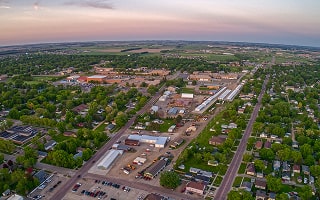
These jurisdictions in South Dakota have rules that are stricter than development-friendly zones, but not necessarily overly restrictive. Developers may need extra approvals, though these processes are generally straightforward.
- City of Huron: Conditional use permits, such as multifamily or commercial conversions in residential zones, require neighborhood notification and a public hearing.
- Pennington County: Per the county's Zoning Ordinance, a conditional use permit requires a public hearing by the Planning Commission.
- City of Mitchell: The city uses a multistep plat review (including Planning Commission and City Council review) for most infill and minor subdivision approvals.
- Yankton County: Conditional uses for bed and breakfasts, home offices, and rentals trigger neighborhood notification and a hearing from the Planning Commission before the Board of Adjustment issues a final decision.
- City of Watertown: While the city offers convenient online applications for building and planning permits, major developments, such as plats and rezones, require a pre-application discussion, public hearing, and review from the City Council.
Highly Restrictive or Bureaucratic Areas
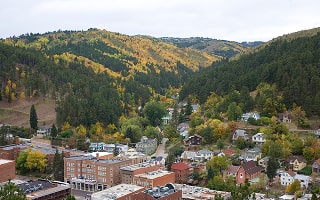
These areas make development more difficult due to complex regulations, strong community resistance, and lengthy approval processes, with developers potentially facing multiple hearings and strict zoning codes:
- City of Deadwood: The city requires a Certificate of Appropriateness and review and approval by the Historic Preservation Commission for exterior alterations or material changes.
- City of Lead: The city mandates floodplain development permits and Historic Preservation Commission review before a building permit is issued. For properties in certain areas, a Certificate of Appropriateness may also be required.
- City of Rapid City: For properties within designated districts, the city requires historic reviews for exterior changes, including changes to roofing materials, demolitions, ADUs, porch additions, and window replacements.
- City of Sioux Falls: Sioux Falls has strict historic preservation guidelines. For properties within designated historic districts, any changes to the facade, roofing materials, and exterior paint require sign-off from the Board of Historic Preservation.
- City of Pierre: Pierre properties on the National Register that receive public funding trigger State Historical Preservation Office clearance and local City Commission approval for structural or exterior work.
Regulatory Climate Factors to Watch
The regulatory climate differs from one city or county to another in South Dakota. That's why it's crucial for developers, investors, and homeowners to understand zoning laws in their locale, planning projects around local laws to help prevent legal issues, avoid delays, and reduce costs.
| Factor | Impact on Development | Where It's Found |
|---|---|---|
Zoning Flexibility |
Determines ease of land use |
Portions of Sioux Falls and Rapid City, Brookings, Harrisburg, and Brandon |
Historic Preservation Laws |
Adds restrictions |
Deadwood, Lead Historic Overlay, Rapid City (West Boulevard), and parts of Sioux Falls |
Wetlands/Conservation |
Limits buildable land |
Madison Wetland Management District, Sand Lake, Eastern Prairie Pothole region, Missouri River floodplain, and Rapid Creek floodplain |
Affordable Housing Incentives |
Incentivizes or requires affordable units |
Sioux Falls, Rapid City, Brookings, Aberdeen, and Pierre |
Building Code Enforcement |
Affects cost/speed |
Sioux Falls, Rapid City, Pierre, and Aberdeen |
Local Politics/NIMBYism* |
Blocks or delays projects |
Lincoln County, Custer City, Hill City, Deadwood, Lead, Whittier Historic District, and West Rapid neighborhoods |
*NIMBYism - Not in My Backyard
What Are the Most Effective Flipping and Resale Strategies for Maximizing Profit in South Dakota's Housing Market?

While there are many flipping strategies, using the following methods may help offer a unique edge in South Dakota's real estate market, supporting flippers and resellers aiming to boost profits and reduce risk.
-
![]()
Use the 70% Rule: The 70% rule helps protect margins by capping the purchase price at 70% of the after-repair value (ARV) minus repair costs. This helps ensure flippers don't overpay, even with unforeseen renovation expenses or market shifts. The 70% rule works well in cities like Sioux Falls, Rapid City, Brookings, and Aberdeen, as well as in counties like Minnehaha and Pennington. This disciplined approach helps maximize profits while minimizing financial risk.
-
![]()
Wholetail for Speed: Wholetailing focuses on light cosmetic updates, such as fresh paint, new flooring, minor kitchen and bath refreshes, and landscaping for curb appeal, rather than undertaking major renovations. Wholetailing keeps costs low, reduces holding time, and allows for quick resale at a higher price. It's effective in starter-home markets like Harrisburg, Brandon, and Sioux Falls suburbs, as well as in Watertown, Brookings, Aberdeen, and Rapid City.
-
![]()
Focus on Quality Renovations, Don't Cut Corners: Quality renovations protect profit margins, attract stronger offers, and reduce inspection and renegotiation risks. Using durable flooring, solid cabinets, quality countertops, and professional workmanship appeals to buyers and supports higher resale values. In university towns like Brookings and Vermillion, durable updates help sell a property quickly, while in the Black Hills and Spearfish, buyers expect higher-end finishes for luxury vacation rentals or second homes.
-
![]()
Follow the BRRRR Method (Buy, Rehab, Rent, Refinance, Repeat): With this strategy, flippers and resellers buy older homes, rehab them to modern standards, rent them at market rates, and refinance to recover their initial capital for the next project. The BRRRR method is ideal in cities like Sioux Falls, Brookings, and Vermillion, where there's steady demand for rentals by professionals and students. It also works in Black Hills towns like Spearfish and Rapid City, where tourism generates year-round rental demand.
-
![]()
Try Micro-Flipping (Digital Wholesaling): Micro-flipping allows investors to profit from property sales without renovating the home. Instead of fixing up distressed homes, wholesalers focus on securing contracts on discounted properties and quickly flipping them to other investors. Using MLS alerts, list-matching software, and direct mail can help find motivated sellers in Sioux Falls, Rapid City, and Brookings. This model is especially effective in smaller markets, such as Watertown, Mitchell, and Yankton, where fewer listings make speed and data-driven prospecting important for staying ahead of competing buyers. Investors who micro-flip can use assignable contracts to avoid double closings. However, it's important to comply with South Dakota brokerage and assignment laws, as some title companies or buyers require ownership seasoning before resale.
-
![]()
Go Beyond Cosmetic Work (Value-Add Flipping): This strategy works by making value-added conversions, such as converting a basement into a legal bedroom, adding bathrooms, or building ADUs, to boost the property's value and rental income. In college towns like Brookings and Vermillion, an extra bedroom or duplex conversion may appeal to student renters, while suburban areas like Harrisburg and Brandon benefit from multigenerational living options.
-
![]()
Use Strategic Staging and Pricing: Staging a home is crucial to promoting faster sales and commanding higher prices in South Dakota. A professionally staged home helps buyers visualize themselves living there, often triggering an emotional response that can lead to higher offers. Buyers in Sioux Falls, Rapid City, and Brookings respond well to professionally staged homes with modern decor, clean layouts, and good curb appeal. When staging is combined with strategic pricing tactics, like setting prices just below the threshold to spark multiple offers, it tends to lead to significantly faster sales.


How Should Sellers Price Their Homes to Attract Buyers While Maximizing Value in South Dakota?
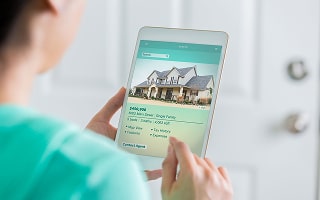
When selling a home in South Dakota, it's essential to work with a local real estate agent or certified appraiser who understands the market. These professionals analyze comparable homes, including active listings, pending sales, and recently sold properties within the last 90 days, to help sellers set the right price. This ensures homeowners don't list too high, which may deter buyers, or too low, which might leave money on the table. To this end, here are some of the top pricing strategies sellers can use to attract buyers and maximize value in South Dakota:
-
![]() Pricing Just Below Below Market Thresholds: Pricing below a common market threshold, like listing a home at $299,900 instead of $300,000, can help ensure a property appears in more online searches. This can increase showings and create competition, especially in price-sensitive areas. It's ideal in fast-moving suburban hubs, such as Harrisburg, Brandon, Tea, and Watertown, where many buyers use hard search caps.
Pricing Just Below Below Market Thresholds: Pricing below a common market threshold, like listing a home at $299,900 instead of $300,000, can help ensure a property appears in more online searches. This can increase showings and create competition, especially in price-sensitive areas. It's ideal in fast-moving suburban hubs, such as Harrisburg, Brandon, Tea, and Watertown, where many buyers use hard search caps.
-
![]() Charm Pricing (Psychological Pricing): Charm pricing uses odd numbers ending in 9 or 7, like $389,777 for a $390,000 property, to make a home feel less expensive and attract buyers' attention online. This strategy is ideal for mid-tier listings, where buyers typically search within specific price ranges. It's also effective in family-focused markets, such as Sioux Falls, Mitchell, Aberdeen, Watertown, and Brookings.
Charm Pricing (Psychological Pricing): Charm pricing uses odd numbers ending in 9 or 7, like $389,777 for a $390,000 property, to make a home feel less expensive and attract buyers' attention online. This strategy is ideal for mid-tier listings, where buyers typically search within specific price ranges. It's also effective in family-focused markets, such as Sioux Falls, Mitchell, Aberdeen, Watertown, and Brookings.
-
![]() Pricing to Create a Bidding War: Listing a home just below market value can encourage multiple offers, which may eventually push the final sale price above the original asking price. This strategy is ideal in competitive, high-demand areas with limited inventory. Pricing to create a bidding war is effective in fast-moving parts of Sioux Falls, Brandon, and Harrisburg, as well as Aberdeen, Brookings, and select school-zone subdivisions in Watertown and Mitchell.
Pricing to Create a Bidding War: Listing a home just below market value can encourage multiple offers, which may eventually push the final sale price above the original asking price. This strategy is ideal in competitive, high-demand areas with limited inventory. Pricing to create a bidding war is effective in fast-moving parts of Sioux Falls, Brandon, and Harrisburg, as well as Aberdeen, Brookings, and select school-zone subdivisions in Watertown and Mitchell.
-
![]() High-Anchor Pricing (Test the Waters): High-anchor pricing is a strategy where a home is listed near the top of its market value range, such as $500,000 in a $475,000-$500,000 market, to signal premium value and leave room for negotiation. It works best with unique or standout properties, such as homes with luxury finishes, larger lots, scenic views, or historic charm. High-anchor pricing is ideal in areas like Spearfish and Rapid City, particularly for high-end vacation homes. It's also effective when selling historic or upgraded homes in Sioux Falls, Brandon, Aberdeen, Brookings, and Harrisburg.
High-Anchor Pricing (Test the Waters): High-anchor pricing is a strategy where a home is listed near the top of its market value range, such as $500,000 in a $475,000-$500,000 market, to signal premium value and leave room for negotiation. It works best with unique or standout properties, such as homes with luxury finishes, larger lots, scenic views, or historic charm. High-anchor pricing is ideal in areas like Spearfish and Rapid City, particularly for high-end vacation homes. It's also effective when selling historic or upgraded homes in Sioux Falls, Brandon, Aberdeen, Brookings, and Harrisburg.
-
![]() Price-Per-Square-Foot Benchmarking: Price-per-square-foot benchmarking is a pricing strategy where a home's list price is set based on the average cost per square foot of comparable properties. To apply this strategy, look at recent sales prices of renovated or well-maintained homes, calculate their price per square foot, and then adjust for the subject property's condition, lot size, and upgrades. This method is effective in college towns like Brookings and Vermillion, suburban developments in Harrisburg and Brandon, tract neighborhoods in Sioux Falls, and newer subdivisions in Rapid City.
Price-Per-Square-Foot Benchmarking: Price-per-square-foot benchmarking is a pricing strategy where a home's list price is set based on the average cost per square foot of comparable properties. To apply this strategy, look at recent sales prices of renovated or well-maintained homes, calculate their price per square foot, and then adjust for the subject property's condition, lot size, and upgrades. This method is effective in college towns like Brookings and Vermillion, suburban developments in Harrisburg and Brandon, tract neighborhoods in Sioux Falls, and newer subdivisions in Rapid City.
-
![]() Appraisal-Backed Pricing: With appraisal-backed pricing, sellers set the home's list price to match its likely appraisal value, helping financed buyers, especially those using FHA and VA loans, avoid appraisal gaps. To apply this strategy, use conservative, recent comparable sales data and highlight any upgrades or improvements. This approach is ideal in university towns like Brookings and Vermillion, suburban areas like Sioux Falls and Brandon, and older neighborhoods in Rapid City and Aberdeen, where many buyers rely on conventional, FHA, or VA loans to purchase homes.
Appraisal-Backed Pricing: With appraisal-backed pricing, sellers set the home's list price to match its likely appraisal value, helping financed buyers, especially those using FHA and VA loans, avoid appraisal gaps. To apply this strategy, use conservative, recent comparable sales data and highlight any upgrades or improvements. This approach is ideal in university towns like Brookings and Vermillion, suburban areas like Sioux Falls and Brandon, and older neighborhoods in Rapid City and Aberdeen, where many buyers rely on conventional, FHA, or VA loans to purchase homes.
-
![]() Net-to-Seller Pricing: Net-to-seller pricing helps ensure homeowners receive their desired net proceeds after all closing costs. Sellers should then work backward from this take-home figure to determine a realistic list price. This strategy is useful for estate sales, probate sales, or sellers with very specific financial goals. It's ideal in towns with smaller workforces, like Mitchell, Watertown, Aberdeen, Yankton, and Pierre, as well as estate or probate listings throughout Minnehaha, Pennington, and Brown Counties.
Net-to-Seller Pricing: Net-to-seller pricing helps ensure homeowners receive their desired net proceeds after all closing costs. Sellers should then work backward from this take-home figure to determine a realistic list price. This strategy is useful for estate sales, probate sales, or sellers with very specific financial goals. It's ideal in towns with smaller workforces, like Mitchell, Watertown, Aberdeen, Yankton, and Pierre, as well as estate or probate listings throughout Minnehaha, Pennington, and Brown Counties.
-
![]() Urgency Pricing (Motivated Seller Strategy): Urgency pricing lists a home below its market value to encourage a fast sale. Sellers typically use this approach for relocations, pre-foreclosures, or divorces, where speed is more important than maximum profit. In South Dakota, urgency pricing is effective in smaller towns and rural counties, including Brookings, Watertown, Yankton, Huron, and Pierre. It's also ideal in less competitive neighborhoods in Sioux Falls and Rapid City.
Urgency Pricing (Motivated Seller Strategy): Urgency pricing lists a home below its market value to encourage a fast sale. Sellers typically use this approach for relocations, pre-foreclosures, or divorces, where speed is more important than maximum profit. In South Dakota, urgency pricing is effective in smaller towns and rural counties, including Brookings, Watertown, Yankton, Huron, and Pierre. It's also ideal in less competitive neighborhoods in Sioux Falls and Rapid City.


Home sellers and investors can match their pricing strategy to the local market to ensure they get maximum ROI or facilitate quick sales. The table below provides a guide to choosing the right pricing strategy for your home based on market conditions:
| Market Condition | Best Strategy |
|---|---|
Seller's Market |
Underpricing for a bidding war |
Buyer's Market |
Charm pricing or net-to-seller |
Unique, luxury home |
High-anchor + value justification |
Entry-level home |
Just below threshold |
Urgent sale needed |
Aggressive urgency pricing |
Flipper or investor listing |
Appraisal-backed or price-per-square-foot |
Which Key Economic, Social, and Regulatory Factors Are Driving Current Trends in South Dakota's Local Property Markets?

South Dakota's property market is influenced by a mix of macro- and micro-factors. Below is a breakdown of some of the most important drivers affecting supply, demand, and pricing for property in the state:
![]() Economic Factors
Economic Factors
 Economic Factors
Employment and wage growth are confined mostly to South Dakota's metro areas, especially Sioux Falls. The expanding healthcare, finance, food processing, and logistics industries are boosting employment opportunities, creating steady jobs growth that continues to fuel consistent demand for homes and rentals.
South Dakota remains relatively affordable, with median home prices well below the national rate. Similarly, the state's cost of living is 11.9% lower than the national average, giving buyers more purchasing power. Construction activity remains very active in the state, with new homes and apartment permitting levels increasing in places like Sioux Falls and Rapid City to help meet rental and housing demand.
![]() Demographic and Social Factors
Demographic and Social Factors
 Demographic and Social Factors
Though population growth is slowing, South Dakota continues to see net increases in the number of residents. The state is experiencing high domestic in-migration, bringing new residents from higher-cost states. While the pace has slowed down in recent years, most newcomers settle in larger metros such as Sioux Falls, Rapid City, Brookings, and Vermillion. This inflow increases demand for starter homes, rentals, and housing near job centers or universities.
South Dakota has a median age of 38.5 years, meaning a large portion of the population is in its prime home-buying and family-raising years. This drives steady demand for starter homes, family-sized houses, and rentals. To meet this demand, developers and investors continue to focus on single-family homes, townhouses, and affordable apartments near job centers and growing metros.
![]() Regulatory and Legal Framework
Regulatory and Legal Framework
 Regulatory and Legal Framework
In South Dakota, most cities and counties set zoning regulations, with rules varying by location. Larger metros such as Sioux Falls, Rapid City, Brookings, and Watertown have planning commissions and comprehensive plans, while smaller towns such as Pierre, Huron, and Yankton may rely on county services. South Dakota has no statewide rent control, so landlords in all areas set prices in line with market-based rents, making investor returns dependent on demand.
![]() Taxation and Fiscal Policy
Taxation and Fiscal Policy
 Taxation and Fiscal Policy
South Dakota has no personal state income tax, making it attractive for retirees, remote workers, and businesses relocating to metros like Sioux Falls, Rapid City, and Brookings. Property taxes are local and the primary revenue source for local government and schools; the state provides rules on limitations, and consumer price index growth caps are applied to tax increases. The local reliance on property taxes affects carrying costs for owners, and may influence municipal decisions on development and exemptions.
Sales taxes and local assessments add to living costs, while state and local incentives, such as tax credits or abatements, encourage expansion. New businesses in cities such as Sioux Falls, Rapid City, and Brookings drive local housing demand, particularly near commercial and industrial developments.
![]() Housing Policy and Government Programs
Housing Policy and Government Programs
 Housing Policy and Government Programs
The South Dakota Housing Development Authority (SDHDA) helps make homeownership more accessible, especially for first-time buyers. The SDHDA offers programs such as down-payment assistance, usually between 3%-5% of the home price, and low-interest loan options. These programs support low- to moderate-income buyers in cities, such as Sioux Falls, Rapid City, and Brookings, as well as smaller towns like Watertown and Aberdeen. By reducing upfront costs and borrowing expenses, these initiatives increase demand for starter homes and affordable housing.
![]() Infrastructure and Development Trends
Infrastructure and Development Trends
 Infrastructure and Development Trends
South Dakota's housing markets are also shaped by new investments in transportation, utilities, and community services. Sioux Falls' regional airport expansion and improvements along the I-29 corridor enhance connectivity, making nearby towns like Brookings and Watertown more attractive for growth. Expanding fiber broadband in suburban and rural areas allows more remote workers to live outside major cities, fueling new housing in places like Harrisburg, Tea, and Dell Rapids. In the Black Hills, wastewater system upgrades and tourism projects support vacation home construction, while Pennington County's road and recreation trail improvements boost demand for both primary homes and second residences.
![]() Market Sentiment and Investor Behavior
Market Sentiment and Investor Behavior
 Market Sentiment and Investor Behavior
With no state income tax and a significantly lower cost of living than the national average, South Dakota continues to attract real estate investors and budget-conscious buyers. Steady rental demand in metros and college towns, along with significantly lower housing costs than coastal markets, also appeals to long-term rental investors. However, in top areas like Sioux Falls and Brookings, increased competition and elevated prices have chipped away at yields. Rental investors tend to focus on multifamily homes near universities and medical centers, single-family homes in growing suburbs, and build-to-rent properties in new subdivisions. Popular strategies investors use to flip and sell houses include the BRRRR model, especially in Sioux Falls and Brookings, where low vacancy rates make rentals attractive.
South Dakota's housing market is shaped by steady growth and varying local rules. Fast-growing areas offer pro-development opportunities, while older neighborhoods focus on historic preservation. Developers and flippers must adjust strategies to the local market, whether targeting fixer-uppers, using value-add renovations, or applying the BRRRR method. Generally, 3- to 4-bedroom layouts, ranch or Craftsman styles, and modern upgrades appeal to families, typically selling quickly. For developers in historic districts, early communication with city or county staff can help avoid delays or legal penalties.
Table of Contents
- South Dakota Home Selling
- Which Areas in South Dakota Offer the Best Return on Investment and Are Easiest for Residential Property Development?
- What Home Styles, Sizes, and Features Tend to Sell Fastest in the South Dakota Market?
- What Should Home Sellers Know About Zoning Laws, Permits, and Regulatory Requirements in South Dakota?
- Which Towns or Cities in South Dakota Are Easiest, and Hardest, When It Comes to Navigating Real Estate Regulations?
- What Are the Most Effective Flipping and Resale Strategies for Maximizing Profit in South Dakota's Housing Market?
- How Should Sellers Price Their Homes to Attract Buyers While Maximizing Value in South Dakota?
- Which Key Economic, Social, and Regulatory Factors Are Driving Current Trends in South Dakota's Local Property Markets?